


A New Era of Brewery
Beyond the Beer
By Garrett Rice, VP of Graphic Design
FUSION'S Vice President of Graphic Design, Garrett Rice, shares his thoughts on the brewing industry and where he thinks the category is headed. Garrett’s passion for creating distinct branded environments mixes with his love of food and comes through in projects that include Fifty West Brewing and HighGrain Brewing Company.
I, like many Millennials, came into adulthood during the craft beer boom. It was an era of transition—where small, independent breweries began to challenge the dominance of corporate distributors. Local taprooms became the heart of the movement, offering a direct connection to fresh, innovative beers. For many of us, our first experience with craft beer wasn't just about what was in the glass; it was about the atmosphere, the people, and the sense of community these spaces fostered.
As the industry evolved, so did our palates. We moved through our IPA obsessions, embraced barrel-aged stouts, and dabbled in the tart world of sours. But breweries had to keep pace with more than just changing tastes; they had to rethink their entire approach to customer engagement.
The reality is, people may come for the beer, but they stay for the experience.
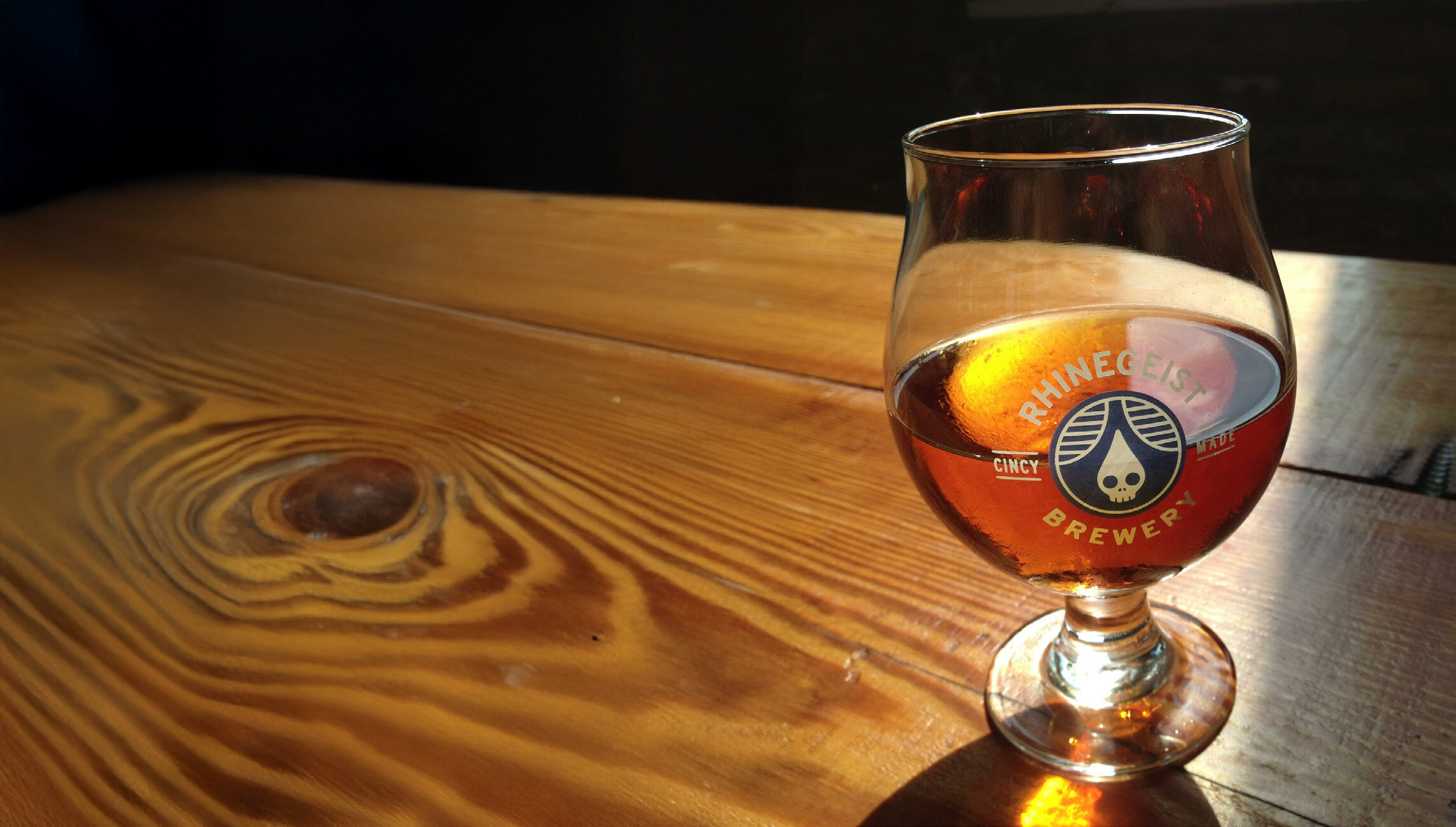
Picture taken by Garrett Rice in 2013 on the day Rhinegeist first opened its taproom.
The Rise of Brewtainment
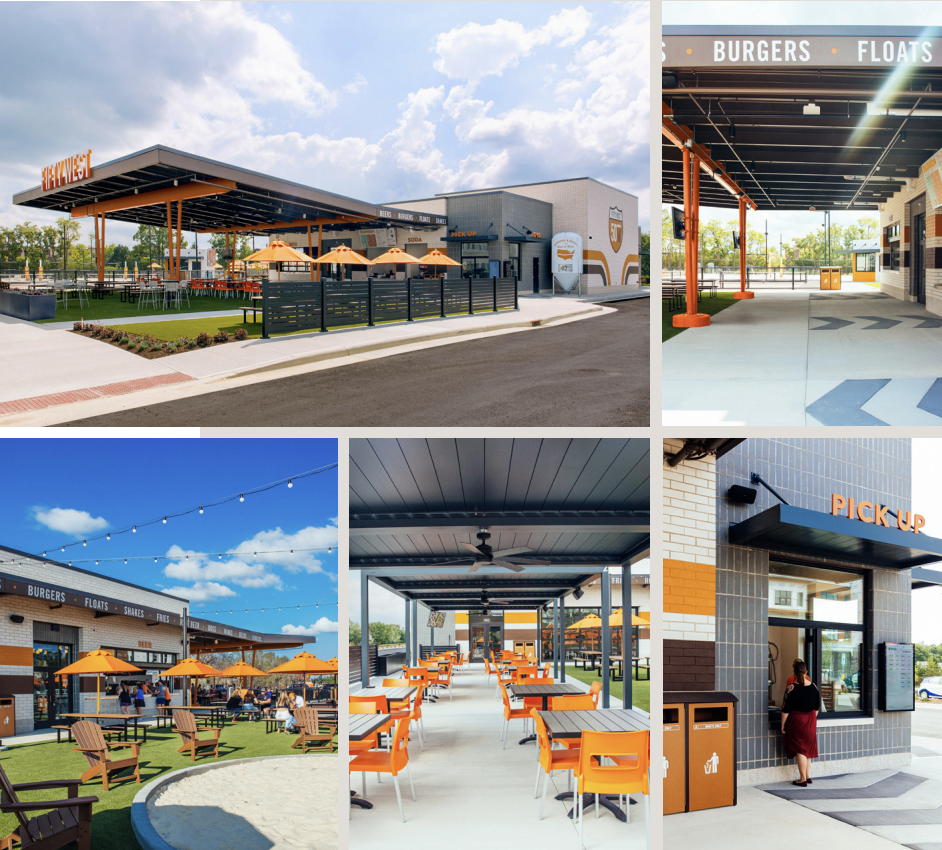
Today's breweries are no longer just about brewing great beer; they're about crafting unforgettable experiences. Simply offering a lineup of high-quality lagers, IPAs, or sours isn't enough. To thrive, breweries must evolve into destinations that cater to diverse audiences with different needs and expectations.
For some, this means integrating food in creative ways, whether through in-house kitchens, rotating food trucks, or strategic culinary partnerships. For others, it's about transforming their taproom into a multi-dimensional space that fosters social connection, entertainment, and inclusiveness.
The closure, albeit temporary, of Anchor Steam back in the summer of 2023—a 128+ year old institution—illustrates this shift. Legacy alone isn't enough to sustain a brewery in today's market. Relying solely on traditional distribution models leaves breweries vulnerable, whereas those that invest in hyperlocal engagement and diversified experiences have found a formula for long-term success.
The evolution of the brewery isn't just about beer anymore; it's about creating a destination.
Breweries as Multi-Generational Spaces
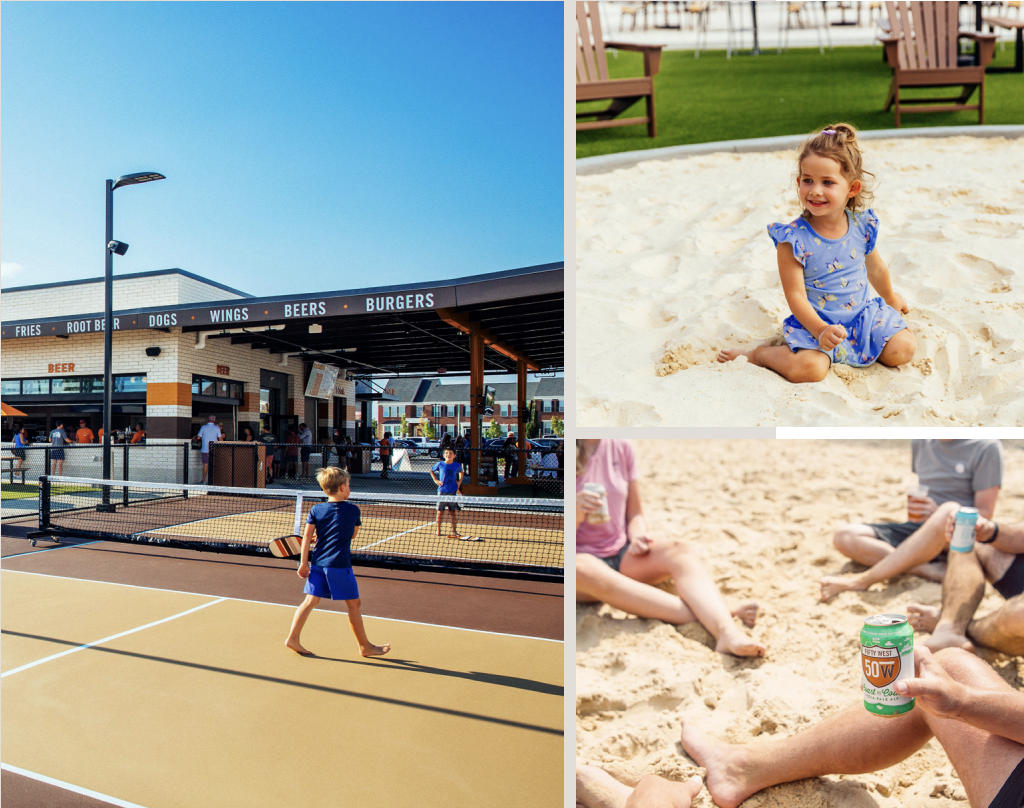
As my life has changed, so have my expectations for a brewery experience. The idea of heading to a brewery for a few pints isn't as simple as it used to be. With two kids in tow, my wife and I must consider more than just the beer list—we need food options, entertainment, and a space that welcomes families.
Breweries that recognize this shift and cater to a wider audience—from beer connoisseurs to parents with kids and even dog lovers—create stronger, more loyal communities. The presence of a playground, yard games, or even just a sandbox can be the deciding factor between choosing one brewery over another. When my kids excitedly say, "Can we go to the place with the sand?"—I know that brewery has done something right.
This evolution isn't just anecdotal; it's a smart business move. Expanding beyond the traditional beer drinker to include families, social groups, and non-drinkers ensures that a brewery remains relevant and resilient in a competitive landscape.
The Economic Impact of Beer Tourism
Beer tourism has become a significant driver of economic growth. Enthusiasts, including myself, travel far and wide to visit renowned breweries, contributing to local economies. Whenever I travel, I seek out local breweries—not just for the unique beers and menu items but for the local culture as well.
So, it isn't a surprise that beer tourism is on the rise. A simple web search will reveal that the U.S. beer tourism market is projected to grow nearly 10% from 2024 to 2030. This surge indicates a huge interest in immersive brewery experiences. Leading beer tourism spots share common features that enhance their appeal:
-
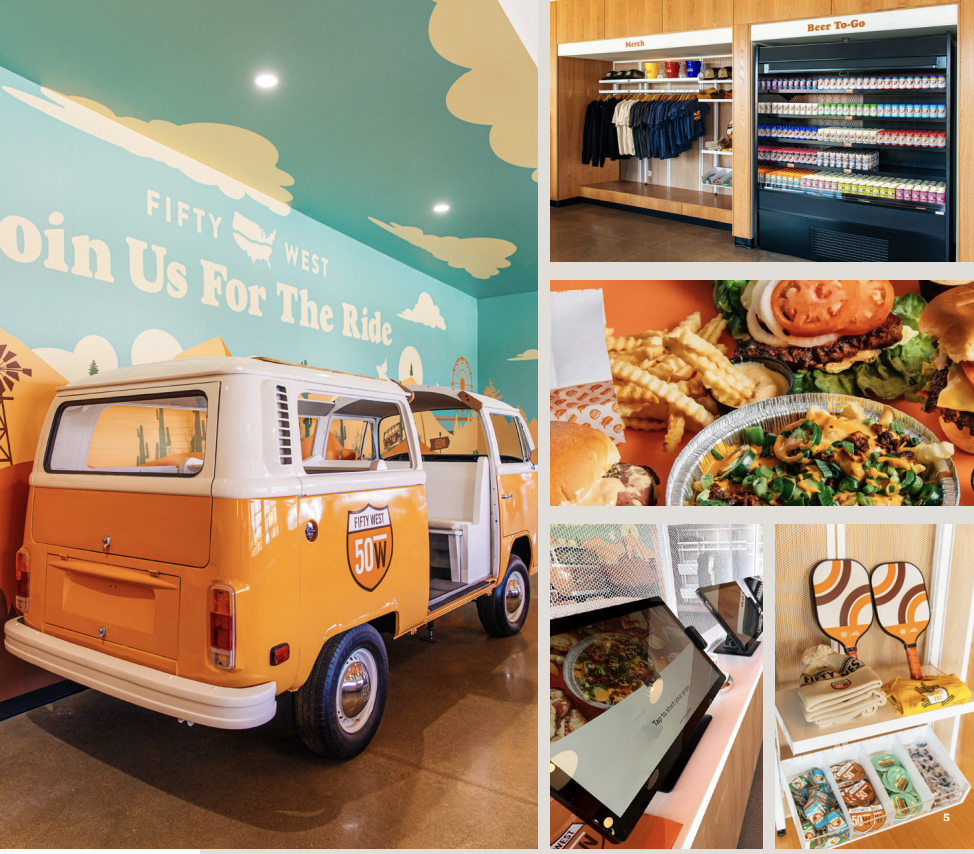
Educational Tours: Offering insights into the brewing process and the brewery's history.
-
Community Engagement: Showcasing the brewery's impact on local culture and economy.
-
Culinary Pairings: Providing food options that complement their beer selections.
-
Unique Souvenirs: Selling branded merchandise and local crafts.
These factors, and more, generate intrigue for tourists and loyalty for the locals, which result in return visits and reasons to seek them out.
Building a Lifestyle Brand
To expand on this more, the most successful breweries today don't just sell beer; they sell an experience, a community, and a way of life. They become gathering places for their neighborhoods, hubs for outdoor activities, and catalysts for collaboration. They think outside the box by hosting running clubs, goat yoga sessions, or bike meetups. By partnering with local artisans, farms, and musicians, breweries become part of the fabric of the communities they serve, while also giving those same partners in return an extended platform of events to flourish— farmers markets, trivia nights, live performances, festivals, etc. It becomes a beneficial symbiotic relationship for the good where all parties rise to the occasion.
Putting a microscope on my local Cincinnati brewery scene, 50W and HighGrain Brewing are 2 examples among many that have embraced a holistic approach to the experience, integrating sustainability, outdoor adventure, and local partnerships into their identity. They're not just breweries; they're destinations that reflect the values and interests of their unique brand and visiting patrons.
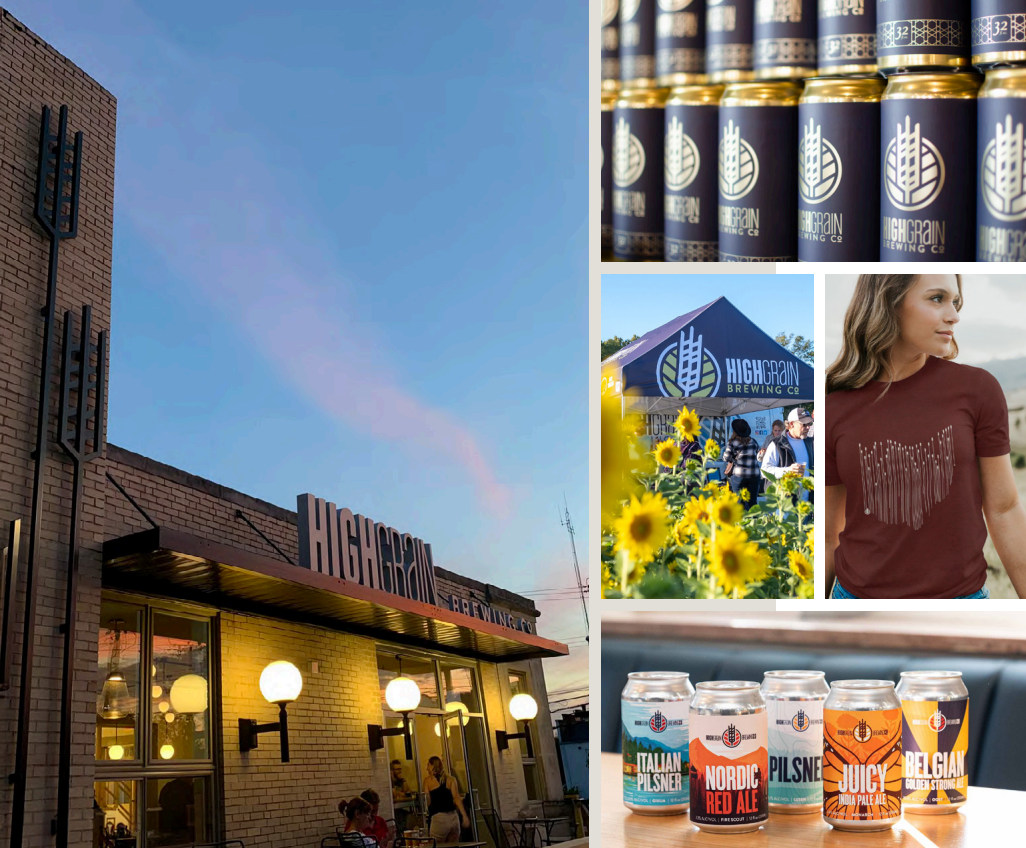
5 Key Considerations to Strengthen Your Brewery as a Destination
As the craft beer landscape continues to evolve, breweries that want to stand out must think beyond the taproom and embrace a more holistic approach. Creating a true destination means fostering meaningful connections, enhancing the customer journey, and adapting to the changing expectations of today's beer drinkers. Whether you're looking to refine your current experience or expand into new territory, here are five essential considerations to ensure your brewery remains a must-visit destination:
1. Diversify the Experience Beyond Beer Great beer is the foundation, but food, events, and activities create reasons for people to stay longer and visit more often. Consider an in-house kitchen, rotating food vendors, or curated beer pairing experiences. Learn from both retail and restaurant best-in-class brands that always keep their brand experience "fresh" and inviting.
2. Create Spaces for All Audiences A brewery that welcomes families, dog owners, and casual social groups is more likely to thrive. Yard games, shaded outdoor seating, and kid-friendly zones can make a major difference in drawing in a broader customer base. Consider how to make these spaces unique and memorable, so customers keep wanting to come back.
3. Engage with Beer Tourism Trends Craft beer fans love to travel. Offer brewery tours, exclusive small-batch releases, and branded merchandise to appeal to beer tourists looking for an immersive experience. Dedicate a spot for retail, even if it's small, to engage guests and create incremental transactions with both loyalists and new travelers.
4. Become an Integral Part of the Community Partner with and create a space for local businesses, musicians, and artists to host events that bring people together. Being seen as a cultural hub builds loyalty and creates repeat visitors.
5. Tell Your Story & Build a Lifestyle Brand People connect with brands that have a compelling story. Whether it's a commitment to sustainability, a unique brewing philosophy, or deep community roots—make sure your brand identity is clear, consistent, and engaging and is expressed in a strategic way throughout the space.
The Future of Breweries: Not a Bubble, But a Renaissance
Breweries that embrace these strategies will not only strengthen their brand but also position themselves for long-term success. For years, critics have speculated about the impending "craft beer bubble" and its inevitable burst. But the reality is different. What we've witnessed isn't a temporary trend; it's a cultural shift toward quality, experience, and community-driven consumption.
People care about where they spend their time and money. They want authenticity, craftsmanship, and a connection to the brands they support. The breweries that understand this will continue to thrive—not because they make great beer, but because they've created something much greater.
The modern brewery isn't just a place to drink; it's a place to belong.